
Contents
Alright, lads and lasses, gather ’round as Evan spins you a yarn about a journey not through the high seas, but across the scalp, in the quest for luscious locks. If you’ve ever fancied a hair transplant or wondered about the mysterious ways your mane might morph post-procedure, you’ve come to the right place. Let me take you through the ins and outs, the highs and lows, and the curly wurls (see what I did there?) of hair texture after a transplant. It’s a ride you won’t want to miss, especially if you’re as passionate about preserving your pomp as I am.
The Hair Texture Tale
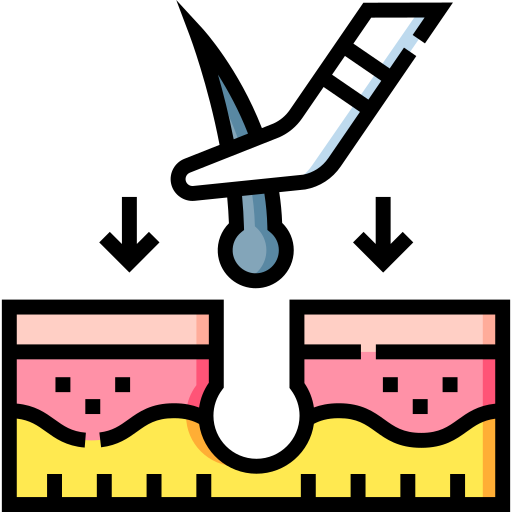
Picture this: a lad in his prime, gazing at his reflection, not in vanity, but in contemplation. That’s me, pondering over the fate of my newly transplanted hair. Now, let’s get something straight (or curly, for that matter) — hair transplant surgery is a bit like time travel for your follicles. They get uprooted from their comfy spot only to be relocated to a new frontier. And while this grand adventure promises growth, it doesn’t necessarily alter the very essence of your strands.
Your hair’s texture, that delightful attribute that makes your mane unique, is determined by the shape and size of each strand, the density of these strands per inch on your head, and the natural growth pattern. After a hair transplant, these newly settled pioneers might take a brief sabbatical, appearing to be in a state of suspended animation, before springing back to life. Typically, the grand unveiling of your hair’s comeback tour happens between six to nine months post-op, with some gigs possibly delayed up to a year. It’s crucial to note, however, that a temporary exit stage left (or hair fall, in non-theatrical terms) between two to eight weeks post-surgery is part of the show. But worry not, for the encore is just around the corner, with new strands beginning their performance by the third month.
The Influencers of Texture Transformation
Now, onto the factors that could potentially sway the texture of your hair post-transplant. It’s a bit like cooking; you need the right ingredients for the perfect dish. In our case, these ingredients include the type of your hair (be it curly, straight, or somewhere in between), the thickness of those rebellious strands, and the flexibility of your scalp. For my curly-haired comrades, the process is akin to a high-stakes art project, requiring precision to maintain the integrity of each curl.
The size of the graft, the harvest location of your donor hair, and your hair’s natural growth pattern play significant roles in the end texture. Interestingly, those with curly or wavy hair might find themselves needing fewer follicular units to achieve the desired fullness, akin to getting more bang for your buck.
Techniques That Tickle the Texture
Every hair type, from the straightest of the straight to the curliest of curls, can embark on the transplant journey. The golden rule here is that the transplanted hair will mimic the character of the donor area. So, if you’re donating curls, expect curls to sprout in their new home. Though the texture is largely a game of genetic lottery, certain rare instances may see a temporary change due to the shock of transplantation, only to return to its original form like a boomerang after a year or two.
Expectation vs. Reality: Managing Hair Hopes
When it comes to transplant expectations, here’s a pro tip: it’s all about perspective. Consider these factors to keep your hair hopes in check:
- Hair density: The lushness of your donor and recipient areas can greatly impact the final look. It’s like comparing the density of a tropical rainforest to that of a serene meadow.
- Follicular units: The number of follicular tickets to this hair-raising show determines the crowd density up top.
- Hair type: Whether you’re rocking fine, blonde wisps or robust, curly locks, the type of hair you have influences the visual outcome.
- Realistic expectations: Keep your dreams grounded. Aiming for the stars is commendable, but space travel isn’t for every hair follicle.
- Communication with the surgeon: It’s like having a heart-to-heart with a mate who just happens to know a ton about hair. Clear communication can pave the way for stellar results.
- Post-procedure care: This is where the magic happens. Following your surgeon’s aftercare instructions is like nurturing a delicate plant. Warm compresses, gentle shampooing, and a dash of antibiotics can transform your scalp into a fertile ground for new growth.
So, there you have it — a deep dive into the world of hair transplants and how they dance with the delicate topic of texture. As your friendly neighbourhood hair enthusiast, I’ve waded through the sea of information so you don’t have to. Whether you’re contemplating taking the plunge or simply curious about the process, remember that the journey to a fuller head of hair is both a science and an art, peppered with a bit of patience and a lot of care.
And with that, I tip my (increasingly less necessary) hat to you. May your hair journey be as enlightening as it is fruitful. Cheers!
Note: The information provided here is based on general experiences and should not substitute professional medical advice. Always consult with a qualified healthcare provider for any personal concerns or questions.