Alright, lads and lasses, gather ’round because it’s storytime with Evan Reed, your not-so-average Joe diving headfirst into the bewildering world of hair transplants. Now, let me clear the air on something that’s been bugging you: No, getting a hair transplant won’t turn you into a brainiac, nor will it damage the ol’ noggin. But, let’s peel back the layers of this onion and explore what really goes down during a hair transplant, shall we?
Contents
So, here’s the scoop: embarking on a hair transplant journey doesn’t mean you’re signing up for brain surgery. Nope, we’re not going that deep! The brain’s snug as a bug in a rug, protected by your skull and scalp. The tiny incisions made during the procedure are just surface level, folks.
The Brainy Myth Debunked
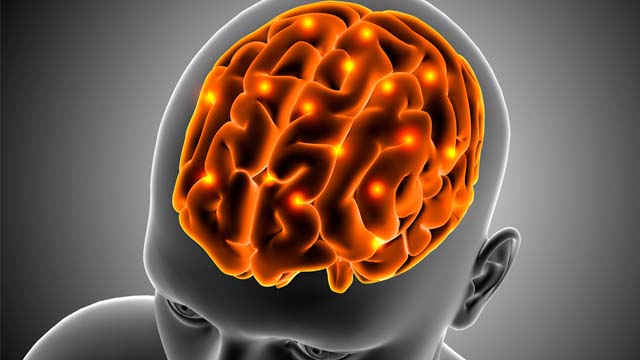
First off, let’s tackle this head-on: your brain is safe, mate. Those tiny nicks and tucks during a transplant are nowhere near the command center. It’s like worrying your foot’s going to get wet when you’re only dipping your toes in the water. The structure of your scalp and skull are the unsung heroes here, keeping your grey matter out of harm’s way.
What Could Possibly Go Wrong?
But hey, as with any epic tale of transformation, there are dragons to slay — or, in our case, potential complications. These misadventures are more about the scalp and the areas donating or receiving your new locks. Imagine you’re re-turfing the lawn; the grass might protest a bit, right? Same with your scalp. But fear not! These skirmishes rarely involve the old think tank.
Nerves of Steel or Nerves Damaged?
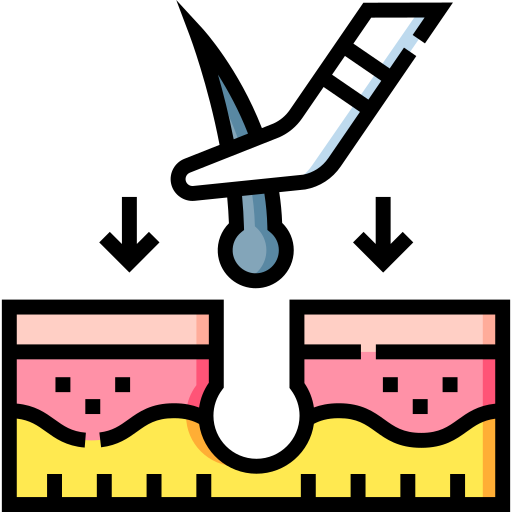
Now, onto the juicy bit: Can your quest for lush locks leave you with a tingly feeling or, worse, a numb dome? It’s rare, but yes, the noble quest for hair can come with the risk of nerve damage — either where the hair’s coming from or going to. Picture this: you’re carving a new path through the wilderness (aka your scalp), and sometimes, you might nick a root or two (those pesky nerves).
- Accidental nerve encounters during the harvest moon dance (that’s fancy talk for grafting).
- Getting a bit too handsy, pulling the scalp tighter than a drum.
- Old-school methods that might leave you looking more startled hare than debonair.
But fear not! Most knights in shining armour (patients, that is) find their scalp’s sense of touch returns to its former glory in a few months. On the rare occasion it doesn’t, it’s usually just a wee bit of numbness that sticks around.
Choosing a reputable clinic and a surgeon with more skills than a Swiss Army knife is crucial to dodging these darts. And let’s not forget the golden rule of recovery: proper aftercare. It’s like nurturing a sapling into a mighty oak — patience, care, and a little love go a long way.
Keeping Your Head Straight Post-Op
Post-hair transplant life is a bit like babysitting: you’ve got to keep a keen eye on your new crop. Prickling, tingling, or the urge to scratch? That’s just your scalp throwing a party because it’s healing. Embrace it. It means you’re on the road to recovery, with every tingle a step closer to your hair hero status. Just remember, good things come to those who wait — nerve sensation and all.
So, there you have it, my follicular fellows. The path to hair restoration is much less about brain games and more about nerve-know-how and scalp care. Now, armed with knowledge (and hopefully a bit more hair), go forth and conquer! And remember, I’m here to guide you through the thicket of hair restoration with a chuckle or two along the way. Cheers!